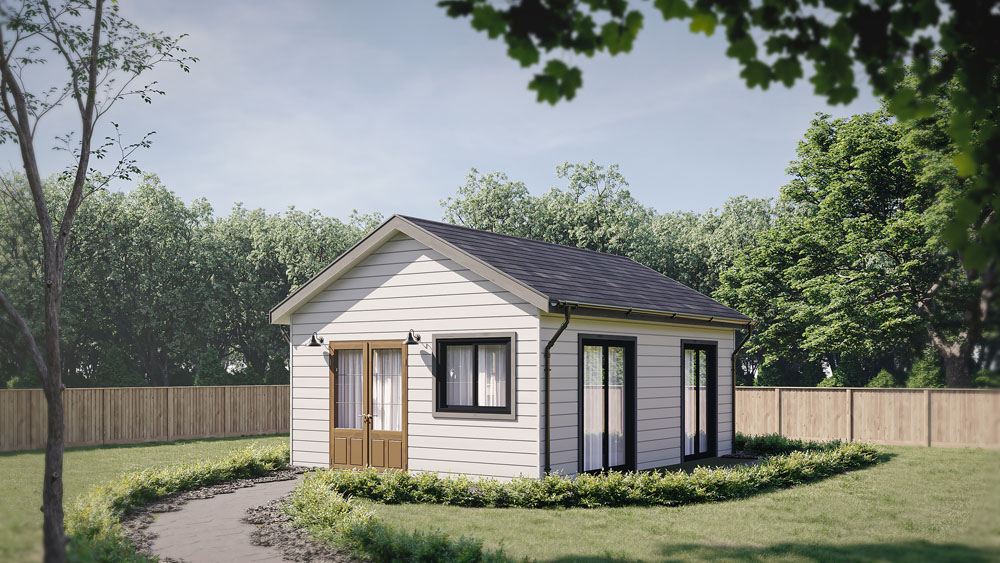
Knowing how to evaluate a backyard home builder’s portfolio gives you the upper hand when you start thinking about an ADU (Accessory Dwelling Unit) for your Austin home. Whether you’re hoping to add a rental, support family, or simply want more elbow room, your investment deserves careful consideration. Let’s walk through what matters most – straight from the perspective of Austin Tiny Homes, where transparency and local know-how are part of our DNA.
What Does “ADU Kit Home” Really Mean?
When searching for ADU inspiration, you’ll see terms like ADU kit homes pop up. These are prefabricated units – walls, floors, roofs are built elsewhere and pieced together on your lot. Kits can sound tempting thanks to lower sticker prices and quicker installs, but Austin’s unique codes, terrain, and permit process often spell trouble for prefab options. At Austin Tiny Homes, we stick to full custom, on-site ADU construction because it’s the best way to ensure compliance and maximize your home’s long-term value. For a deeper Austin-specific comparison, take a look at Prefab Homes in Austin: Marketing vs. Reality.
Why the Right Builder Portfolio Matters for ADUs
A builder’s portfolio isn’t just a before-and-after gallery. It’s your window into their real-world Austin experience, design decisions, and professionalism. Austin’s residential rules have changed rapidly – you can browse the latest at the City of Austin’s HOME Amendments page – so you want a builder whose body of work shows current, code-compliant projects. Take time to notice how a builder documents process, problem-solving, and outcomes. That’s a big indicator of the kind of experience you’ll get.
Evaluating ADU Floor Plans & Design Adaptability
You’ll spot real talent when a portfolio offers diverse ADU floor plans that fit a range of lifestyles. Look for:
- Open layouts that make cozy spaces feel bright and functional
- Flexible rooms that do double (or triple) duty
- Thoughtful kitchens and bathrooms for both family stays and long-term tenants
Our one-bedroom ADUs show how interior layouts can be tailored to privacy, work-from-home, or future needs. True customization helps you get what fits your family – not just a cookie-cutter solution.
Assessing Construction Quality: Go Beyond the Pictures
Photos are just the start. In a strong portfolio, you should also find insight into:
- Material choices – think engineered wood, premium siding, and quality roofing
- Before-and-after shots, so you see both the vision and the execution
- Details on how each project satisfied Austin’s permitting and code pathways
Read more about comparing local builders and the impact of construction quality in our ADU and tiny home builder guide.
Transparency You Can Trust in the Portfolio
Trustworthy builders don’t hide the tough parts. Look for:
- Floor plans and specs, not just glam shots
- Description of hurdles (permitting, upgrades, weather delays) and how they were solved
- Notes on code compliance and local permits
At Austin Tiny Homes, our project gallery is a place where you’ll see transparency – real timelines, Austin-specific challenges, and smart solutions. That’s how you know we won’t skip steps that matter, like prepping foundations or planning utilities for our climate.
Local Experience Counts: Navigating Austin’s Codes
ADU projects aren’t generic backyard builds. Austin homes have zoning, setbacks, impervious cover, and utilities to consider. Make sure any builder you’re considering shows real-life experience with Austin’s regulations – national brands often fall short here. It’s worth confirming:
- Direct references to the City’s permitting process
- Clear specification of things like setback compliance and floor area ratio management
- Testimonials from Austin customers highlighting their permitting journey
Tech-Savvy Planning and Visualization
These days, pros use interactive tools and 3D modeling to help you see – and tweak – designs before anyone swings a hammer. Some firms (and we’re one of them) deliver photorealistic renderings or virtual walkthroughs, which can save both time and unnecessary costs on design changes. These digital previews make it easier to get city approvals too, helping shorten delays from unclear plans.
Full-Service Process: Support from Concept to Completion
You want a builder with end-to-end expertise – feasibility studies, design, budgeting, permitting, and actual construction under one roof. Austin Tiny Homes created a process where every detail gets managed in sequence, so customers have one point of contact and accountability. No piecing together designers and contractors, or guessing what comes next. Learn more about our team’s approach on our About page.
Material Selection and Innovative Techniques
The smartest ADU portfolios explain material choices – not just for looks or trends, but for Austin’s heat, rain, and long-term durability. It’s worth asking about:
- Engineered foundations
- Insulation and weatherproofing suited to Central Texas
- High-efficiency appliances and fixtures
If you see a builder experimenting with new construction methods, be sure it aligns with Austin performance needs – not just marketing claims seen in out-of-state documentation. For example, some elements of light gauge steel construction highlighted by the Town of Truckee may be relevant, but always check for local application.
FAQs: Reviewing Your ADU Builder’s Portfolio
- How can I tell if a builder’s floor plan options fit my project?
Check for studios, one-bed, and larger designs, along with both open and compartmentalized layouts. See some live examples at our ADU Models page. - Can kit home builders build a custom ADU in Austin?
In Austin, kit homes usually miss the mark on permitting and site requirements. Custom, local builds are safer and smarter for most homeowners. For an honest breakdown, see Tiny House Kits: What You Actually Get (and What’s Missing). - What makes Austin permitting unique?
Local permitting comes with its own hurdles and timelines. An experienced Austin builder can help you dodge headaches before they start, thanks to first-hand knowledge of city review routes and code quirks. - What’s a realistic cost range for a quality ADU?
Expect custom ADU projects to start around $60,000, with final price driven by the size, finish level, site constraints, and code compliance. Insist on clear estimates and transparent pricing – never settle for “per square foot” shortcuts.
Conclusion: Scrutinize the Portfolio – It’s Worth It
Your backyard deserves more than guesswork or national templates. A careful portfolio review helps ensure your ADU will be designed for Austin, properly permitted, and built to last. You don’t have to become a zoning expert, but you do need a builder who knows the path. Dive into our finished projects or talk to our team and see firsthand how the right approach transforms backyard living in Austin.