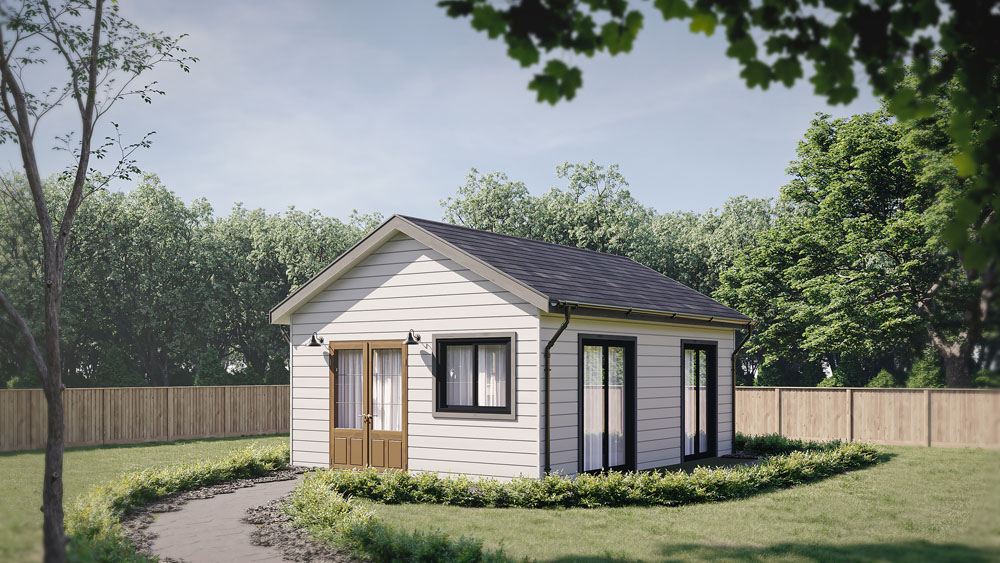
Thinking about expanding your Austin property with a rental, a backyard cottage, or somewhere for friends and family to stay long-term? If you’ve started searching for options, you’ve probably bumped into phrases like prefab homes, modular ADUs, or manufactured homes. Sometimes it can feel like you need an interpreter just to get through the listings. What really sets these options apart – and how do you pick a smart investment for your Austin lot? At Austin Tiny Homes, we love cutting through confusion so you feel empowered, not overwhelmed, before you build. Let’s make sure your project delivers both value and peace of mind.
Untangling the Terms: What Sets Prefab, Modular, and Manufactured Homes Apart?
“Prefab,” or prefabricated, simply means a house is built, wholly or in part, off-site in a factory. This can cover everything from sleek backyard cabins to entire three-bedroom homes. Both modular and manufactured homes fall under this big umbrella, but each takes a pretty different path from factory to finished product:
- Prefab Homes: If it’s built in a factory and shipped for assembly, it’s prefab. Think of this as the catchall category – including modern modular ADUs, pod-style units, tiny cabins, and more.
- Modular Homes: Picture big sections – “modules” – crafted in a warehouse, then hauled to your lot and placed on a permanent foundation. The beauty? Modular homes in Texas are designed and built to meet the same local building codes as a typical stick-built house. Once finished, you might not even spot the difference.
- Manufactured Homes: These are often called mobile homes and are built under national HUD guidelines – not local Austin codes. They can sit on blocks or a modest slab, but aren’t always considered “real estate” by lenders and insurers, which affects financing and how their value changes over time. Good for your wallet initially, but not always the best for resale value or long-term plans.
Grasping these fundamental differences is crucial. Not only will it help you plan smarter, but you’ll also steer clear of costly curveballs down the road.
Construction Quality and the Living Experience: What Should You Expect?
Modular homes, as well as the rising star – modular ADUs (Accessory Dwelling Units) – shine when it comes to consistency and craftsmanship. Factory settings keep pieces out of the unpredictable Texas weather and let quality inspectors do their jobs without interruption. That means tighter joints, fewer delays, and fewer surprises.
Manufactured homes, while still benefiting from efficient factory assembly, work under a different set of rules. Those HUD standards don’t always reach for the same bar set by Austin’s residential code. As a result, you get a more restricted menu for finishes and layouts, and most lenders will treat your new home a lot like a vehicle instead of a permanent investment. That’s a big deal if you want to build equity over the years.
What’s the Real Cost? Comparing Your Dollars in Today’s Texas Market
Cost is one reason many Austinites dive into the world of prefab and manufactured homes. Here in Texas, the gap is pretty noticeable:
- Modular Homes: Expect averages around $136,575 – and potentially higher in city centers. Two-story modular homes, custom touches, and premium finishes dial up the price, but you typically get a product that adds long-term value to your land.
- Manufactured Homes: These usually ring up near $121,400, making them the upfront price winner. Just remember: the low cost comes with tradeoffs, especially if you’re thinking about financing, appreciation, or insurance down the line.
Why would you spend more for modular? Because your investment typically grows – much like a stick-built home – whereas manufactured homes (unless placed on a true permanent slab foundation and titled as real estate) just don’t see the same upward curve over the years. That difference matters if you plan to sell, refinance, or pass your property on one day. Explore more on resale and property value in our in-depth financing guide.
Modular ADUs and Prefab Pods: What’s Gaining Steam in Austin?
There’s no question that Austin and Dallas homeowners are drawn to modular ADUs – those backyard units that can flex between a guest suite, a rental for extra income, or even a compact family home. Builders now offer clever expandable units featuring top-notch insulation and custom exterior choices for Texas’ wild climate. And if you’re eying a scenic Lake Travis escape or a minimalist cabin retreat, you might see the appeal of prefab pod homes and tiny cabins as well.
It’s important to note: Austin Tiny Homes doesn’t sell prefab or manufactured homes. What we do offer is truly custom, on-site ADU construction. That means your new guest house, rental, or family suite gets built to Austin’s unique permitting codes and tailored to your exact lot size and vision. Wondering what’s actually included in an ADU kit – and what isn’t? Here’s our transparent take.
How Financing and Long-Term Value Play Out in Austin
This is where a lot of buyers hit their first speed bump. If you choose modular and set it on a permanent foundation, lenders and appraisers treat the new home as real property. That gives you access to conventional mortgages and the predictable process of normal real estate loans. Manufactured homes, however, are another story – unless they’re fixed to a foundation and legally converted, they’re usually financed like cars: tougher terms, bigger down payments, more hoops to jump through, and a real risk of losing value over time.
- Appreciation: Modular tends to go up in value like a traditional home, whereas manufactured homes may stall or lose value.
- Insurance: You’ll often snag better (and more affordable) coverage on a modular ADU or custom build.
- Resale: When you’re ready to move on, more buyers are in the market for a code-compliant modular or site-built ADU – and they’ll pay for it.
If you’re trying to budget for your project or understand the real numbers, start with our local financing breakdown. We prioritize transparency, so you always know where your investment is headed.
The Austin Angle: Navigating Local Codes and Real-World Realities
Texas, and Austin in particular, is flush with inventive prefab choices. You’ll see quick build times and a dizzying array of pods, cabins, and units. But Austin has some of the strictest building, permitting, and zoning codes in the state.
Here’s where we turn what looks complicated into something achievable. Our team at Austin Tiny Homes specializes in custom builds that respect every city rule – no guessing games. We do full feasibility checks before design, then handle permit applications, utility planning, and inspections so you’re never left stranded in red tape. Learn the basics with our ADU overview – it’s written for owners sizing up their real options for backyard living.
Prefab Pod Homes and Tiny Cabins: Are They a Fit for Your Austin Lot?
The market is buzzing with offers for pod homes and compact cabins – streamlined dwellings you’ve probably seen pitched for vacation property, rental cash flow, or streamlined living.
But here’s a word to the wise: in Austin city limits, nearly any dwelling – not just your main home – requires top-to-bottom compliance with local codes. “Cheap” pod or cabin kits rarely include what you need for real-world living, like plumbing, electrical, or legal occupancy. If an ad boasts of selling a tiny home under $10K, check out our deep dive on why those listings rarely stack up.
Key Buyer Tips: How to Match Your Project with the Right Home Type
- Start with Your Why: Who will use your new space and how? Whether you want a rental, multi-generational suite, or just extra elbow room, your needs can nudge you toward modular ADU or fully custom construction.
- Budget Openly: Don’t just look at sticker price. Think about how long you’ll own the new unit, how you’ll finance it, and whether its value keeps pace with the market.
- Permitting and Zoning: Austin’s city rules aren’t just guidelines – they shape what’s possible. Connect with pro help for a smooth, by-the-book process. For a detailed explainer on this, don’t miss our post on comparing ADU builders.
- Customization Choices: Modular and prefab homes usually offer a set range of exterior and floorplan options, while custom on-site builds give you flexibility to fit your lot and lifestyle just right.
- Think Long-Term: Will this investment be worth more in a decade? Modular or custom on-site ADUs are the strongest picks for future value – just make sure you plan from the start.
Frequently Asked Questions
- Are modular ADUs legal in Austin?
Yes, but they must meet local codes and pass city permitting. If you want the full scoop, our ADU guide breaks down the approval process step by step. - Can I get a conventional loan for modular or manufactured homes in Austin?
For modular homes, absolutely – if set on a permanent foundation, they qualify for mortgages like any site-built house. Manufactured homes are eligible for financing only if they meet specific standards and are legally recognized as real estate. Specialty lenders and stricter terms may apply. - Do prefab pod homes or backyard cabins need permits in Austin?
Definitely. If you want to live, rent, or work from any backyard structure, you need proper permits and code compliance – regardless of how they’re constructed. The City’s permit starter guide is a helpful resource. - Are prefabricated cabins the same as ADUs?
No – they can serve similar functions on rural lots, but inside Austin, custom ADUs are the only way to check every legal and utility box for a dwelling unit. You’ll get a far smoother experience and better value in the long run. - Does Austin Tiny Homes offer prefab or manufactured homes?
We focus exclusively on high-quality, on-site custom construction of ADUs. While we don’t sell prefab or manufactured units, we’re always happy to help you weigh the options with local experience and candid insight.
Conclusion: Your Next Step Toward More Space – and Peace of Mind
No matter your vision – a cozy retreat in the trees, a rental for extra income, or somewhere for loved ones to live nearby – being clear-eyed about prefab, modular, and manufactured homes sets you up for the best possible outcome. Modular ADUs typically offer the most customization, best value retention, and financing flexibility, while custom-built ADUs ensure full compliance with Austin’s regulations.
Each property is unique, and every goal deserves the right plan. If you’re ready to discover what’s possible on your lot or want to talk through financing, zoning, or feasibility without pressure, reach out to Austin Tiny Homes today. We’re here to help you start smart and finish strong – on time and on budget.